Blended Intensive Programme (BIP) · 25–29 May 2026 · Bratislava, Slovakia · 4 ECTS
Application deadline: 15 April 2026(Applications are reviewed continuously.)
A hands-on international programme combining digital simulations, natural materials, and real-world ecological design.
Primarily intended for students from partner universities and institutions with Erasmus+ funding for BIP mobility.
A limited number of non-funded participants may be accepted if capacity allows.
This Blended Intensive Programme brings together students from architecture, civil engineering, environmental studies,
and related fields to explore sustainable building design through digital tools, natural materials, and collaborative project work.
The programme is organized by the Slovak University of Technology in Bratislava (STU), Faculty of Civil Engineering,
in cooperation with partner universities and ecological organisations.
The BIP awards 4 ECTS credits and is co-funded by the European Union under the Erasmus+ programme.
Partner Universities
The Blended Intensive Programme is organised by the Slovak University of Technology in Bratislava (STU) in cooperation with the following partner universities participating in Erasmus+ BIP mobility:
Brno University of Technology (VUT), Czechia
Technische Universität Wien (TU Wien), Austria
Lietuvos Inžinerijos Kolegija | Higher Education Institution, Lithuania
Czech University of Life Sciences Prague (ČZU), Czechia
Budapest University of Technology and Economics (BME), Hungary
Priority in the selection process is given to students nominated by these partner institutions or any institutions with Erasmus+ funding for BIP mobility.
A limited number of non-funded participants may be accepted if capacity allows.
Approx. 3 hours of online activities 2–3 weeks before the physical part. The online component includes a welcome session,
introductory lectures on sustainable architecture and simulations, team formation, and presentation of the main project assignment.
Tools used: MS Teams, Google Workspace for Education, Padlet.
In-person introductions, overview of the programme, presentation of preliminary models from the online phase,
introductory lectures (topics to be confirmed), and initial studio work.
Transfer from Bratislava, visit to EcoCocon production facility and selected sustainable buildings, arrival at EkoCentrum Hrubý Šúr, introduction to working with straw and clay, evening discussions, overnight stay at the EcoCentre.
Presentation of final models and project outcomes, feedback from the jury, closing lecture, and awarding of Certificates of Participation.
Course & Credits
Course Title
Sustainable Architecture (11-UA)
Credits
4 ECTS credits
Course Description
The course provides a comprehensive introduction to sustainable architectural design, focusing on the environmental and social
quality of the built environment throughout its life cycle. It integrates theoretical knowledge with practical design work and
hands-on experience with natural building materials.
Learning Outcomes
Understand principles of sustainable architecture and low-carbon design.
Use digital tools such as BIM, energy simulations, and LCA.
Evaluate materials and construction systems from ecological and technical perspectives.
Design small-scale concepts using natural materials (straw, clay, wood).
Work effectively in international, interdisciplinary teams.
Communicate design ideas through models, drawings, and presentations.
Teaching & Learning Methods
Blended learning combining online lectures, hands-on workshops, project-based learning, digital tools, excursions,
studio consultations, and final presentations.
Assessment
Assessment is based on participation, teamwork, workshop engagement, project development, and final presentation.
The course is graded on a pass/fail basis and awards 4 ECTS credits upon successful completion.
Teaching Team
The teaching team consists of lecturers and experts from partner universities, EkoCentrum Hrubý Šúr, and industry partners
such as EcoCocon. The final list of teachers and guest lecturers will be published later.
How to Apply
Students from partner universities and institutions with Erasmus+ funding for BIP mobility are given priority. However, to be eligible for Erasmus+ funding and formal recognition as BIP participants, students must be officially nominated by their home university and registered in the Beneficiary Module under the BIP code 2025-1-SK01-KA131-HED-000336310-2. A limited number of non-funded participants (free movers) may be accepted if capacity allows.
Eligibility
Enrolled as a student at a higher education institution (Bachelor, Master, or PhD).
Priority is given to students from partner universities and institutions with Erasmus+ funding available for BIP mobility.
Able to participate in both the online and physical components.
Not on Erasmus mobility during the BIP dates.
Interested in sustainability, environmental design, green technologies, or related fields.
Application
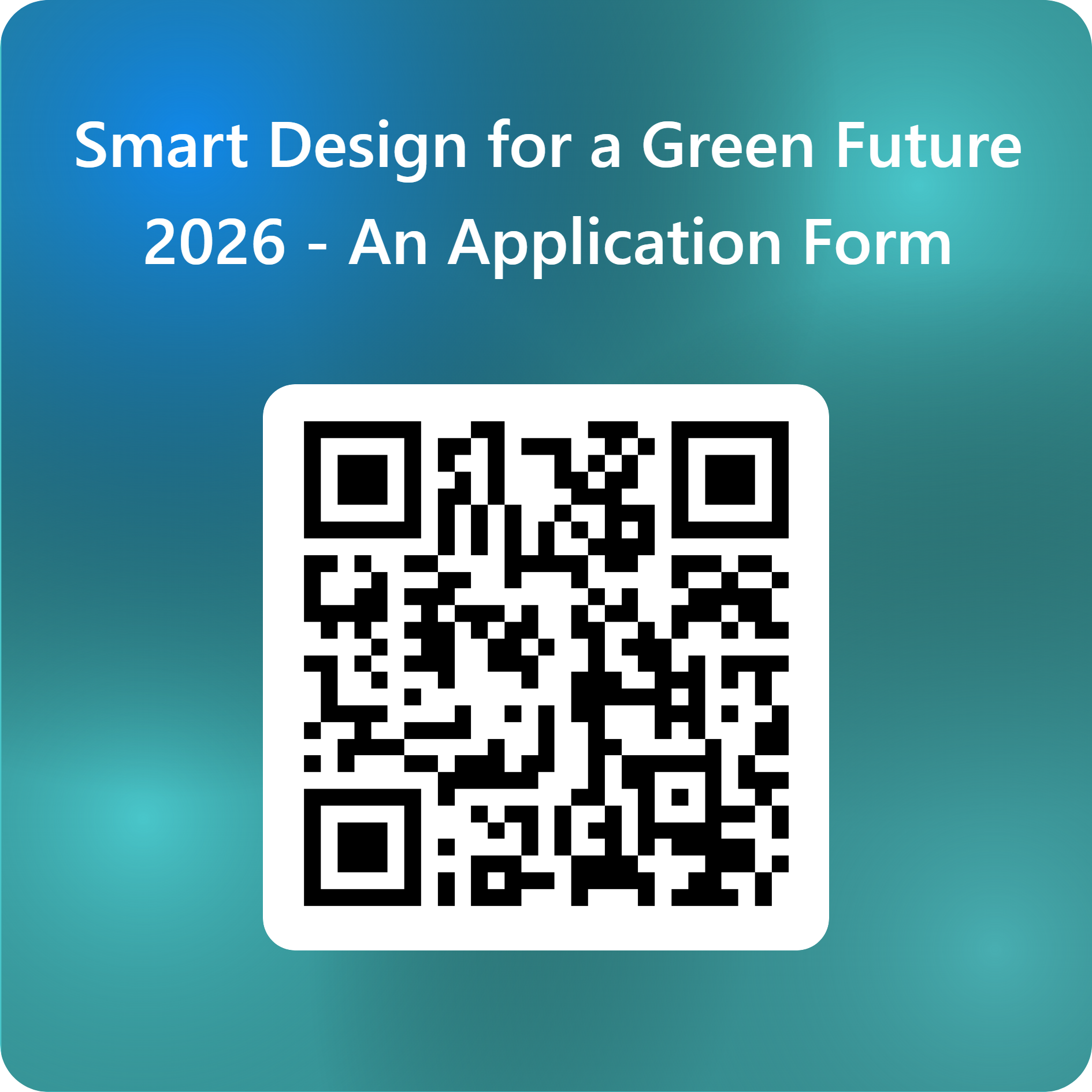
Applications are submitted via an online form. You will be asked to provide personal and study information, a short motivation statement, and optionally a portfolio or sample of previous work.
Motivation and interest in sustainability, environmental design, green technologies, or related fields.
Relevance of study background (architecture, civil engineering, environmental engineering, etc.).
Ability to attend both online and physical parts.
Eligibility for Erasmus+ BIP mobility (home university nomination and Beneficiary Module registration).
Priority is given to students from partner universities and institutions with Erasmus+ funding. Non-funded participants may be accepted only if capacity allows.
Portfolio or previous work (optional, used in case of high competition).
After You Are Selected
Step 1 — Acceptance Letter
If selected, you will receive an official Acceptance Letter from STU confirming your participation in the BIP.
Step 2 — Contact Your International Office
With the Acceptance Letter, contact your home university’s International Office. They will nominate you for the BIP and
register you in the Beneficiary Module under the BIP code 2025-1-SK01-KA131-HED-000336310-2, enabling Erasmus+ funding.
Step 3 — Learning Agreement
Together with your home university, you will prepare a Learning Agreement including the course Sustainable Architecture (I1-UA),
4 ECTS credits, and both the online and physical components. A template of the Learning Agreement will be available for download.
Step 4 — Registration in AIS
After your Learning Agreement is approved, you will receive instructions on how to register in the Academic Information System (AIS) of STU. This is required for enrolment, credits, and the Transcript of Records.
Step 5 — Participation Requirements
To successfully complete the BIP, you must attend the online and physical parts, participate in team work and workshops,
and sign the daily attendance sheet during the physical week.
Step 6 — Final Feedback & Certification
At the end of the programme, you will complete a feedback questionnaire. After fulfilling all requirements, you will receive
4 ECTS credits, a Certificate of Participation, and a Transcript of Records issued by STU.
Practical Information
Accommodation
Students stay overnight at EkoCentrum Hrubý Šúr during the workshop days. In Bratislava, students arrange their own accommodation;
recommended options will be published later.
Transport
Bratislava is accessible by train, bus, and via Vienna Airport. Local public transport is efficient; a 7-day ticket is recommended.
Transfers to EcoCocon and EkoCentre during the BIP are organized by STU.
Locations
Main venue: Faculty of Civil Engineering, STU, Bratislava. Workshops and overnight stay: EkoCentrum Hrubý Šúr.
Excursions include EcoCocon production facility and selected sustainable buildings.
What to Bring
Comfortable outdoor clothing, sturdy shoes, laptop, notebook, chargers, reusable water bottle, personal toiletries,
and any necessary medication. Optional: gloves for working with natural materials.
For questions about the BIP, please contact:
doc. Dr. techn. Ing. arch. Roman Rabenseifer
Faculty of Civil Engineering, Slovak University of Technology in Bratislava (STU)
Email: roman.rabenseifer@stuba.sk
This Blended Intensive Programme is co-funded by the European Union under the Erasmus+ programme.
Official BIP code: 2025-1-SK01-KA131-HED-000336310-2.
The content of this website reflects the views only of the author(s), and the European Commission and the National Agency cannot be held responsible for any use which may be made of the information contained herein.